TBILISI, June 1 – Russia is expanding restrictions on Armenian goods, this time targeting fish, vegetables and fruit, as tensions grow between Moscow and Yerevan over Armenia’s move toward closer ties with the European Union.
Russia’s veterinary and phytosanitary watchdog, Rosselkhoznadzor, has restricted imports of live fish from Armenia, BPN reported, based on Interfax. The agency said the decision followed inspections by Russian specialists at fish-processing plants and trout farms in Armenia.
According to Rosselkhoznadzor, the inspection results were unsatisfactory. It said Armenia must suspend certification of live fish and fish products intended for export to Russia from Tuesday, June 2. The restriction will not apply to two unnamed companies, whose products will be allowed into Russia under laboratory monitoring for safety indicators.
The agency said the ban will remain in force “until the existing situation is resolved.”
The fish restrictions are only the latest in a growing list of Russian measures against Armenian products. Since Saturday, Rosselkhoznadzor has banned imports of fresh tomatoes, cucumbers, peppers, green vegetables and strawberries from Armenia. Earlier, it also banned Armenian flowers.
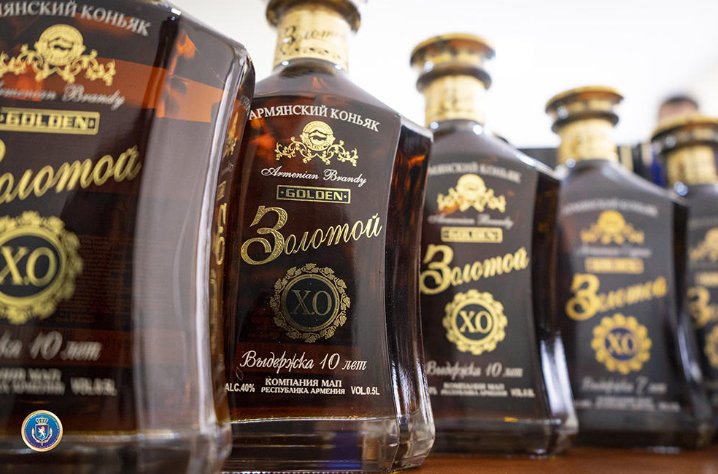
Another Russian agency, Rospotrebnadzor, has banned sales of alcoholic drinks from three large Armenian producers, as well as the import and sale of Jermuk mineral water from Armenia.
The trade pressure comes as Armenia’s relations with Russia hit an unusually tense moment. BPN reported that Russian Energy Minister Sergei Tsivilev has warned Yerevan in writing that if Armenia continues moving closer to the EU, Moscow may unilaterally suspend or terminate agreements linked to supplies of natural gas and oil products.
Under a 2013 agreement, Russia indefinitely removed export duties on oil products, gas and diamonds sent to Armenia. Russian President Vladimir Putin has said Armenia currently pays a preferential gas price of USD 177 per thousand cubic meters. On May 25, Kremlin spokesman Dmitry Peskov warned Yerevan that if Armenia leaves the Eurasian Economic Union, the gas price would become a market price.
The dispute is unfolding ahead of Armenia’s parliamentary elections scheduled for June 7. Russian officials have sharply criticized Prime Minister Nikol Pashinyan’s European course, accusing him of trying to “sit on two chairs” by keeping privileged membership in the Eurasian Economic Union while also seeking EU membership.
At a recent meeting in Astana, leaders of four Eurasian Economic Union countries expressed concern about Armenia’s possible EU membership and called for a referendum on whether Armenia should remain in the bloc. Putin had earlier made a similar demand, saying Yerevan should hold a referendum on EU membership and leaving the Eurasian union before the two sides could have what he called a “gentle, intellectual and mutually beneficial divorce.”
Pashinyan, for his part, says it would not make sense to hold any referendum before Armenia officially becomes an EU candidate. He said that if a choice between the EU and the Eurasian Economic Union becomes unavoidable, Armenia will hold a referendum. For now, he called the choice “theoretical” and said Armenia continues working inside the Eurasian bloc.