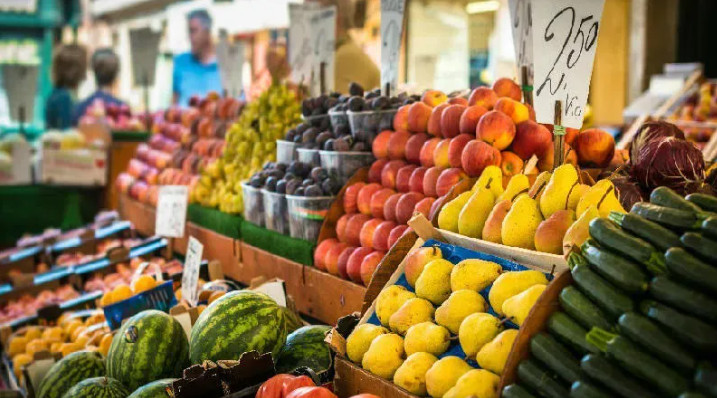
TBILISI, August 19 – Inflation in Georgia reached 4.3% in July compared with a year earlier, the highest since mid-2023, with food prices by far the biggest driver.
According to the National Bank, food costs rose 10.3% year-on-year, accounting for 3.2 percentage points of the overall inflation rate.
Bread, potatoes, sunflower oil, and the country’s staple Imeretian cheese were singled out as major contributors, together responsible for 1.7 points of July’s inflation. Health-related goods and services also climbed sharply, with a 9.5% rise adding another 0.8 points.
At the same time, falling fuel and internet prices helped limit the increase, knocking 0.4 and 0.2 points off the annual rate. Fuel had become cheaper in line with global oil markets, though July did see a 3.7% monthly rise in petrol, nudging inflation upward.
Core inflation, which excludes volatile items like food, fuel, and tobacco, held steady at 2.2%. But officials acknowledged that local food prices are also influenced by international trends, and by a “base effect” since food was unusually cheap last year.
The National Bank noted that imported goods showed deflation of 1.6%, largely because of cheaper fuel. But locally produced food was up 5.4%, while products with both local and imported inputs rose 7.5%. Services inflation, mainly domestic, stood at 3.0%.
Economists warn the spike in food costs is hitting vulnerable groups hardest—pensioners, the unemployed, and more than 600,000 people living below the poverty line. Many households in rural areas feel the squeeze more acutely, with fewer options and less competition than in Tbilisi.
“Moderate inflation can stimulate an economy,” economist Ramaz Gerliani told Rezonansi, “but in this case, incomes are not rising fast enough to match the cost of living.”
For many, the official rate understates the reality: most household budgets go to food and basic services, not gold or electronics. “From their perspective,” said Gerliani, “inflation feels much higher.”