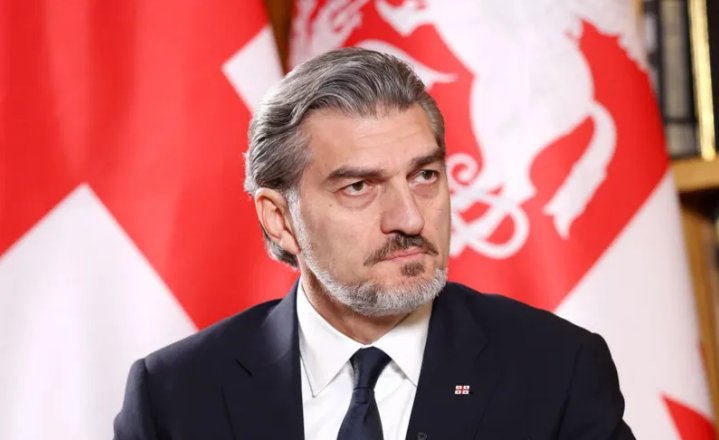
TBILISI, January 20 – Georgia’s president Mikheil Kavelashvili pardoned 159 convicted people late Monday as a gesture of clemency in connection with the Orthodox Epiphany celebration. But hours later, there was confusion among families and supporters over who, exactly, made the list.
Kavelashvili’s press service announced at 10:33 p.m. on Monday that the president had granted pardons to 159 prisoners for the Epiphany holiday. The statement said the decision was based on “the principle of humanism” and “state interest.”
The announcement triggered speculation that some of the people detained during recent protests might be among those freed.
A ruling party lawmaker said yesterday that political detainees should show remorse in order for the president to pardon them.
Shortly after the president’s late night press announcement, relatives and friends gathered outside prisons in Rustavi and Tbilisi’s Gldani district, hoping for good news. But Tuesday morning, the identities of the pardoned prisoners had still not been made public.
One mother waiting outside the prison gates said she still hoped her son would be included, describing his detention as undeserved. Another mother said she had no expectation her son would be pardoned, while adding that freeing imprisoned women was especially important to her.
But among the uncertainty surrounding the clemency list, some relatives were showing signs of resignation. The mother of a detainee named Giorgi Terishvili told reporters outside Gldani prison that she no longer expected anything and planned to leave, saying she might go to a court hearing instead.
The manner of which the pardons were announced became a political talking point as the confusion continued. But ruling party lawmaker Tengiz Sharmanashvili told reporters that the president can issue such an act at any time within a 24-hour window, and argued that a delay of an hour or two could be worthwhile if it meant checking extra information that might allow even one more prisoner to be included.
He added that there were no consultations with the parliamentary majority because pardons are the president’s exclusive constitutional power.