TBILISI, August 31 – In Georgia, local farmers and food producers are struggling to compete with imported goods, not because of lack of supply, but due to the many fees supermarkets impose to get products on their shelves.
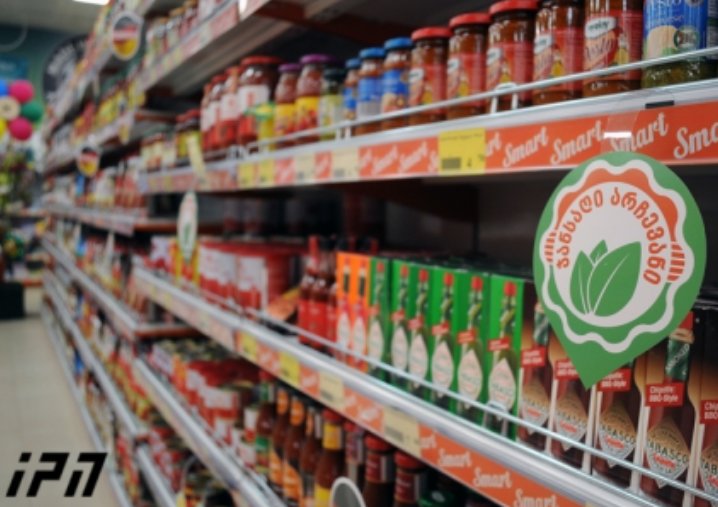
Almost every supermarket in the country is filled with imported food. Domestic products are harder to find, and economists say the reason lies in the hidden costs that producers face when working with retailers.
These charges include entry fees just to get products into the supermarket system, “retro bonuses,” cashbacks, and even extra charges for shelf placement. Producers say the better the shelf location, the higher the fee. The problem especially hurts small and medium-sized businesses, which often can’t afford to play by these rules.
Speaking to Rezonansi, economist Soso Archvadze argues that without state support and tax incentives, domestic products will continue to be pushed out of the market. He noted that while government programs like Produce in Georgia exist, they are not enough to restore balance on supermarket shelves. Archvadze even pointed to the late 1990s, when a patriotic store chain in Tbilisi sold only Georgian goods, something he says could bring both economic and social benefits if revived.
Another economist, Nodar Kapanadze, warned that these layered costs make food more expensive for consumers. But he also highlighted what he sees as a bigger problem: cartel-like agreements among retailers and the high margins added on top of products. He called for stronger oversight by antimonopoly authorities and systems to monitor price formation from producer to consumer.
With limited options, many farmers are forced to sell at open-air markets or export their goods, though not all have the resources to do so. Economists warn that if the system remains unchanged, imports will continue to dominate and domestic producers will be further sidelined.