TBILISI, October 9 – The Georgian capital is set to expand its metro network for the first time in years, with two new deep-level stations planned in Gldani and Varketili, Mayor Kakha Kaladze said Wednesday, affirming a promise he made ahead of being re-elected.
The project, aimed at easing congestion and meeting surging passenger demand, is expected to cost between USD 200 million and USD 300 million.
According to City Hall, the new Varketili station will be built at the intersection of Mebrdzolta and Dimitri Alexidze Streets, while the Gldani extension will branch out from the existing Akhmeteli Theater station, running between the district’s odd and even microdistricts along Vekua and Khizanishvili Streets.
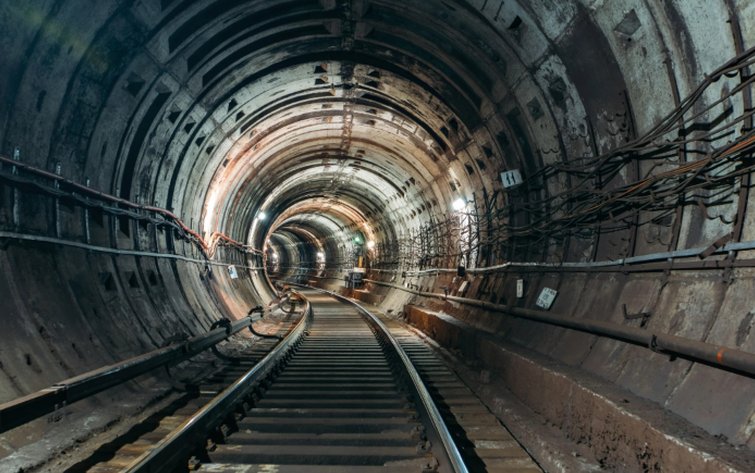
The Varketili extension will stretch 1.2 kilometers, and the Gldani line 1.1 kilometers, both designed as deep-level tunnels, which makes the construction particularly complex and costly.
Urban planning expert Giorgi Babunashvili, who heads the Tbilisi Urban Laboratory, told BPN that the construction timeline is set at five years, a goal he described as “achievable only if the process runs smoothly and an experienced international contractor is selected.”
“Building one kilometer of deep-level metro line typically costs between USD 80 million and USD 100 million, depending on geological conditions,” Babunashvili said. “For these two lines combined, including design work, the overall project is likely to total around USD 200–300 million.”
He cautioned, however, that geological complications and infrastructure relocation issues could extend both the schedule and the budget. “Metro construction projects worldwide rarely finish exactly on time,” he noted, adding that “only a company with strong technical capacity and modern equipment” could realistically meet the city’s targets.
Babunashvili said Georgia currently lacks contractors with the expertise and technology needed for such large underground projects. “A qualified international tender is essential,” he said, suggesting that Turkish or Chinese firms could be viable candidates. “European companies are highly experienced, but they tend to focus on larger-scale projects, so it’s uncertain whether they would compete for this one.”
Tbilisi’s metro system, first opened in 1966, remains the backbone of the city’s public transport network. However, infrastructure upgrades have long been slow. The renovation of the existing Varketili station, for example, has been delayed for several years due to contractor issues.
The new expansion plan was launched by Tbilisi mayor Kakha Kaladze just weeks before he ran for a third term in the October 4, 2025 local elections. Kaladze also promised to build a new tram system in the Digomi district as well as a Disney-like park by the city lake.