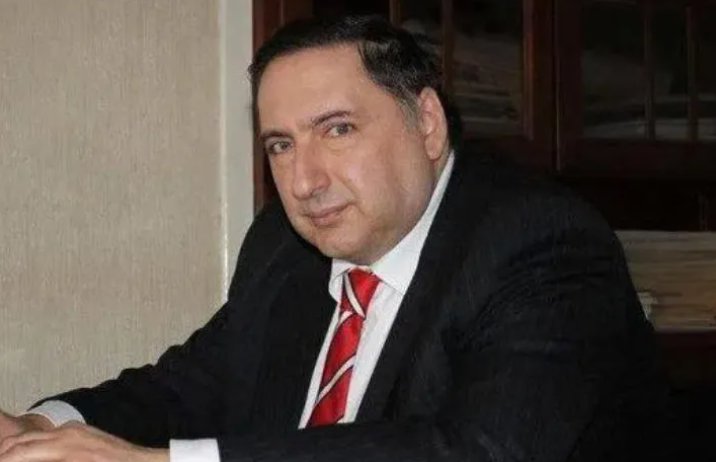
With local elections approaching in Georgia, veteran politician and political scientist Vazha Beridze says the country is heading into a vote unlike any since independence.
In an interview with Interpressnews, the former speaker of parliament and ex-mayor of Borjomi argues that both government and opposition share blame for a deeply polarized climate, while insisting the ballot must be “fair and competitive.”
Beridze criticizes parts of the opposition for boycotting parliament and talking up street pressure. He calls that choice a mistake and says a “revolutionary scenario” harmed the country and the opposition. At the same time, he pushes back on efforts to outlaw the largest opposition force, saying he does not support banning the United National Movement.
On the ruling party, Beridze says polarization has intensified across society and adds that the governing team bears greater responsibility because it has more resources. He maintains that Georgia does not have “authoritarianism” today, but warns that if political processes do not restart, “the majority of society itself will demand the establishment of an authoritarian regime,” possibly in a more police-led form.
Foreign policy sits at the center of his concerns. He notes recent public talk about removing the constitutional goal of joining the European Union and NATO, and says that would amount to a break with the country’s Euro-Atlantic course. He urges a clear answer to the basic question “where to” and cautions against assuming a workable “neutrality” without addressing who would guarantee Georgia’s security.
Beridze comments on domestic debates that have stirred headlines in Tbilisi. He welcomes Prime Minister Irakli Kobakhidze’s latest moves on drug crime as “logical” steps against a serious problem, while opposing both “liberal drug policy” and “draconian” approaches. He also rejects circulating rumors about links between former Adjara leader Tornike Rizhvadze or former prime minister Irakli Garibashvili and the drug business, saying he has neither heard nor believes such allegations and arguing that credible information should go to investigators.
On migration and visas, he says the government reacted to public concerns but argues that broader, clearer policy is needed as global population movements grow. He warns that leaving the situation uncontrolled could strain public order, while overreactions could empower far-right extremists.
The split among opposition parties over whether to boycott the local elections continues to shape the field. Some groups plan to run, while others advocate non-participation and speak of a “peaceful revolution.” Beridze calls “peaceful revolution” an oxymoron in current conditions and says the opposition lacks figures who can inspire the public.
Despite the rhetoric, he argues that most Georgian Dream voters are pro-European and pro-Western, even if sharp criticism of Brussels and Washington surfaces during political battles. He concludes that Georgia’s path should pair Europe and national values without diktat, and that the key tasks now are to lower the temperature, keep the vote open and competitive, and answer the basic strategic question the public keeps asking: ‘Quo vadis?’