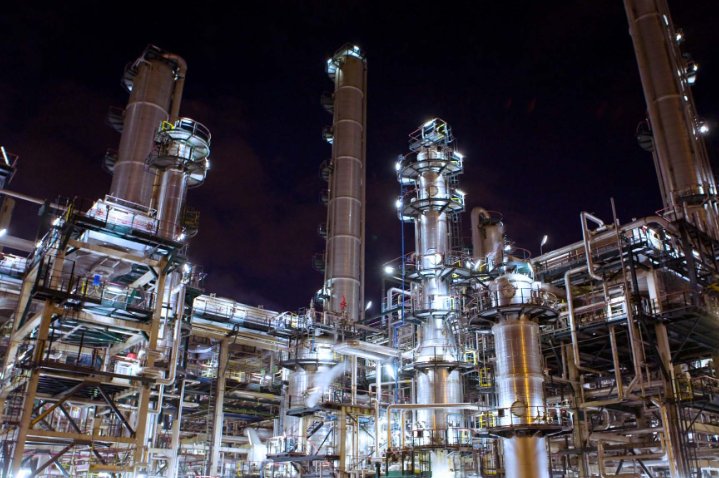
TBILISI, July 24 – A Georgian oil facility in Kulevi has been included in the European Union’s 21st sanctions package against Russia, setting off a political clash in Tbilisi over whether the move is a warning, a mistake or a damaging blow to Georgia’s reputation.
Rezonansi reported Friday that the EU is introducing a transaction ban against the Kulevi oil refinery, but the measure will enter into force only after six months.
According to the EU Council statement cited by Rezonansi, the new package targets the oil sector, including refineries that process Russian crude oil and petroleum products. The package includes 18 legal entities and one individual in the oil sector, among them three Russian refineries, a major Belarusian refinery and a company created to sell Belarusian oil products in Russia.
The EU says the Kulevi facility in Georgia trades in and processes Russian oil. Five oil traders were also added to the list of entities facing transaction bans over restrictions linked to Russian crude oil and petroleum products.
Georgia’s Foreign Ministry said it regrets the decision and hopes it will be reviewed during the six-month period. The ministry said Georgia fully takes into account the EU sanctions regime and takes all measures to prevent the country’s territory from being used to bypass sanctions.
The ministry said Georgia had provided the European Commission with information and documents which, in its view, show there is no factual or legal basis for placing the Kulevi refinery on the sanctions list.
Members of the ruling Georgian Dream majority also said they hope the decision will be reversed. MP Davit Matikashvili said the Kulevi terminal is operated by a private company and that previous checks had shown it was not linked to sanctioned oil. MP Levan Machavariani said no sanctioned product or sanctioned ship enters the country, and said he hoped the issue would be resolved between the port’s owners and Brussels.
Opposition figures took a much sharper view. Grigol Gegelia of Lelo-Strong Georgia called the EU move an extremely serious political signal and judgment against the Georgian Dream government. He said it was the first time the EU as a whole had imposed sanctions on a Georgian entity.
Viktor Kipiani, founder of the party First Georgia, said the decision showed Georgia was being cut off from what he called “business civilization” and that the country’s reputational security was being damaged.
The sanctions will not take effect immediately, leaving six months for Georgia to try to reverse the decision.