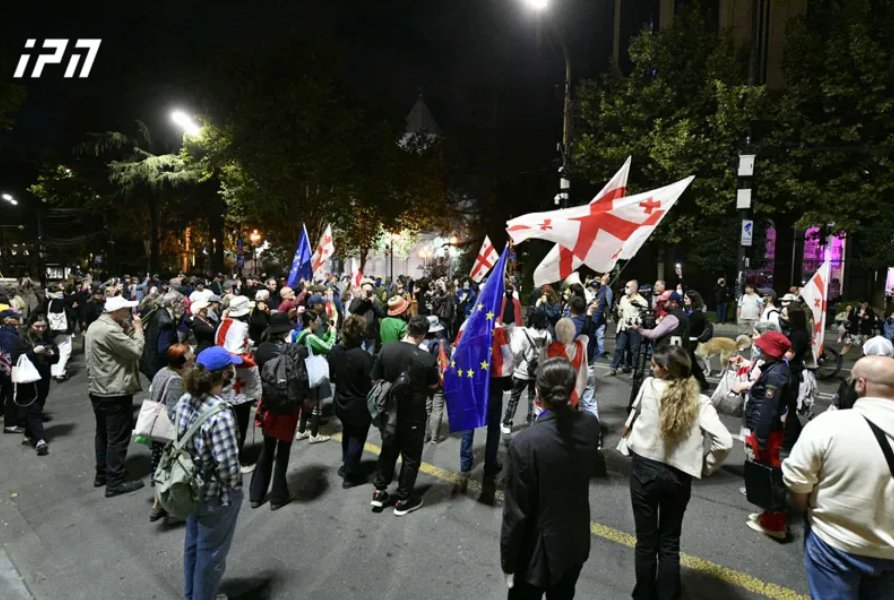
TBILISI, September 18 – The opposition in Georgia are divided ahead of the October 4 local elections, a day some groups have called for using to stage a “peaceful revolution,” while other disagree.
Former prime minister Giorgi Gakharia, now leader of the For Georgia party, dismissed the plan as an illusion and “the biggest mistake.” He argued that calling for an overthrow delegitimizes genuine protest and only helps the ruling Georgian Dream party.
His remarks triggered sharp backlash from the main opposition bloc, the United National Movement (UNM), which branded Gakharia “irresponsible” and a “coward.” UNM lawmaker Ana Tsitlidze accused him of fleeing to Berlin while others fight “with their freedom, lives, and health” at home.
The October 4 rally is being promoted by a coalition of opposition activists, with expectations ranging wildly from tens of thousands to several hundred thousand participants. Organizers say they will announce a “technical government” that evening, though analysts warn that such declarations are symbolic and unlikely to have legal effect.
Gakharia’s criticism highlights the divisions inside Georgia’s fractured opposition. While his party cooperates informally with the centrist Lelo in local elections, he is being attacked more fiercely by UNM than by Lelo itself. Lelo’s stance has been summed up by its members as: “vote in the morning, rally in the evening.”
Gia Abashidze, a pro-government commentator, called the “peaceful revolution” plan a farce doomed to collapse, but analyst Davit Zurabishvili said Gakharia’s skepticism is shared by many parties, noting that exaggerated expectations around October 4 could backfire.
The ruling Georgian Dream government warn that any unlawful actions will be stopped, with Prime Minister Irakli Kobakhidze signaling that law enforcement will stop going “soft” on protesters from now on. Government figures argue that opposition groups are recycling strategies from Georgia’s Rose Revolution of 2003, ignoring how much the political landscape has changed since then.