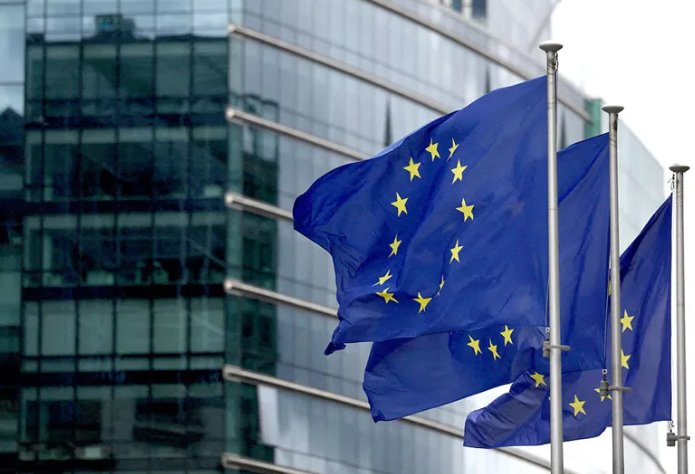
TBILISI, October 21 – Georgia’s ruling party accuses the European Union of using visa-free travel as a “blackmail” tactic, while Brussels warned that parts of Georgia’s population could lose visa privileges amid concerns over democracy and rule of law.
At the meeting on October 20 in Luxembourg, EU foreign ministers indicated that new regulations coming into force in November could lead to visa-free travel being suspended “for some groups” within Georgia, rather than the entire population.
Today, Georgian parliamentary majority leader Irakli Kirs̀halia told reporters, responding to the Foreign Affairs Council meeting, that another attempt at “blackmail” over visa-liberalisation had just failed. He said the silence from EU leaders over the events of October 4 was “very loud.” According to Interpressnews, Kirs̀halia accused Brussels of shifting from partnership to coercion when discussing Georgia’s future.
At Monday’s meeting, the EU’s external affairs chief Kaja Kallas stated that a Commission report on mechanisms to suspend visa freedoms will be issued by the end of the year. She stressed that member states raised “the state of rule of law and human rights in Georgia,” noting “personal attacks against European ambassadors” cannot be tolerated in diplomacy, referring to German Ambassador Peter Fischer, who was recalled due to what Berlin considers a campaign of intimidation by the Georgian government.
The governing Georgian Dream party downplayed the meeting’s focus on Georgia, Rezonansi reported. Committee chair Levan Makhashvili said the Foreign Affairs Council had addressed a wide range of global issues and was not specifically convened for Georgia. He accused some EU ministers of exploiting Georgia for their own political agendas but defended the broader importance of Georgia-EU relations.
Opposition figure Grigol Gegelia of the Lelo party described the focus on cooperation freezes as “regrettable,” saying it risked making Georgia a subject of conditionality rather than partnership.
Georgians have enjoyed visa-free travel rights to the Schengen area since 2017. The threat of suspending those travel rights was aired ahead of the parliamentary election in 2024, and again ahead of the local elections this year. GD officials pushed back, branding it election interference. Around in European capitals, hesitation surfaced over such a drastic move which would affect the whole population of a candidate country.
A new proposal, referenced by Kallas, is making its way through the EU system that will rewrite the rules so the Commission can suspend visa-free travel for certain groups within a country, based on criteria like democratic shortfalls. A similar proposal was pushed by the largest Georgian opposition party UNM, via its influence in the conservative European bloc EPP, and will likely be used to target GD officials.