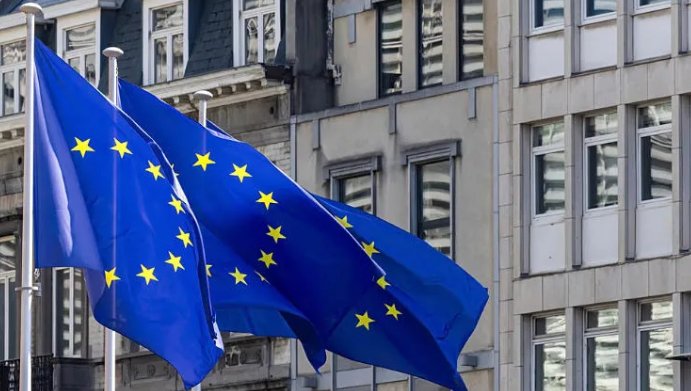
TBILISI, December 21 – The European Commission has again raised the possibility of suspending visa free travel for Georgian citizens, warning that Georgia could ultimately lose the regime entirely if current policies do not change.
Unlike earlier EU statements, the new assessment openly allows for a population wide suspension, marking a shift from previous assurances that any penalties would avoid harming ordinary citizens.
Under the Commission’s report, a first stage could target holders of diplomatic and service passports issued by the Georgian government. A second stage would extend to all citizens, placing Georgia back on the EU’s mandatory visa list. The move would fall under updated EU rules that enter into force on December 30, although no specific dates or deadlines were announced, Rezonansi reports.
The report says Georgia has experienced serious regression in governance and rule of law standards that formed the basis for granting visa free travel. It notes that in July 2025 the Commission formally requested detailed information on reforms and compliance with earlier recommendations, but concluded that Georgia had made no meaningful progress and that in some areas conditions had worsened.
The Commission highlighted a series of laws adopted in Georgia, including legislation on foreign influence transparency, family values and protection of minors, foreign agent registration, and amendments affecting grants, public assemblies, administrative penalties, broadcasting and the criminal code. According to the report, these measures restrict fundamental rights and conflict with Georgia’s European and international obligations.
Georgia’s ruling party Georgian Dream dismissed the warning, calling visa suspension threats a form of political pressure. Parliamentary Speaker Shalva Papuashvili said Brussels was using visa liberalization as leverage and would ultimately hesitate to take steps that affect the wider population.
Opposition figures took the opposite view, arguing that if the government does not change course, the EU will move forward with suspension. Members of the opposition said the report accurately reflects democratic backsliding and insisted that new elections and the release of detained protest participants are necessary to prevent further escalation.
Analysts cited in Georgian media said EU decisions tend to move gradually but warned that continued confrontation could push Brussels toward broader measures. Some also cautioned that visa restrictions could have knock on effects for Georgians working in Europe and for remittance flows, which remain a significant part of the country’s economy.
The European Union reiterated its support for Georgia’s sovereignty and its people’s European aspirations, while stressing that progress toward membership remains stalled until the government demonstrates a clear change in direction.