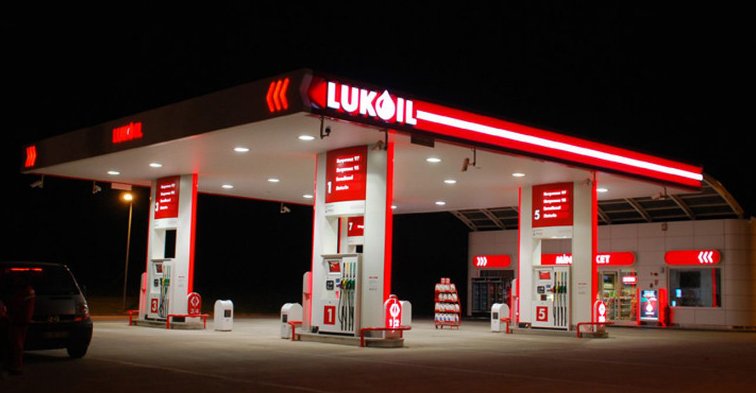
TBILISI, October 24 – The U.S. Treasury has clarified that transactions with sanctioned Russian oil companies Lukoil and Rosneft, including their international subsidiaries, will only be permitted until November 21, 2025, under a temporary exemption covering fuel purchases and essential services, BPN reports.
The clarification follows Washington’s decision earlier this week to sanction Russia’s two largest oil producers, Rosneft and Lukoil, along with 34 subsidiaries in which they hold a controlling stake. Among those blacklisted is Lukoil International GmbH, registered in Austria and the 100 percent owner of Lukoil Georgia, meaning the new financial sanctions also extend to the company’s Georgian operations.
According to the Treasury Department’s official notice, the temporary allowance applies to transactions that are “necessary for the purchase of goods and services at Lukoil retail service stations located outside the territory of the Russian Federation” and that such activity remains authorized only “until 12:01 a.m. Eastern Time on November 21, 2025.”
The document defines Lukoil Retail Service Stations as physical retail outlets that:
• are located outside Russia and were operational before October 22, 2025;
• in which Lukoil holds a direct or indirect interest of more than 50 percent;
• and are used for the purchase of goods and services, not for financial transfers or other corporate activities.
At the same time, the Treasury explicitly prohibited any transactions connected to Russia’s Central Bank, National Wealth Fund, or Ministry of Finance, as well as dealings restricted under the broader Russian Harmful Foreign Activities Sanctions Regulations.
The decision effectively gives companies across Europe and Eurasia, including Georgia, a one-month window to unwind or adjust existing arrangements involving Lukoil’s regional operations. Financial institutions and fuel retailers that rely on Lukoil’s supply chains will now have to review contracts to ensure compliance before the deadline.
Lukoil operates a wide network of gas stations and storage facilities throughout Eastern Europe, including in Georgia, where it entered the market in the early 2000s and currently operates 60 fuel stations. The new sanctions, combined with earlier restrictions on Russian energy exports, are expected to further complicate operations for firms still tied to the company’s distribution network.