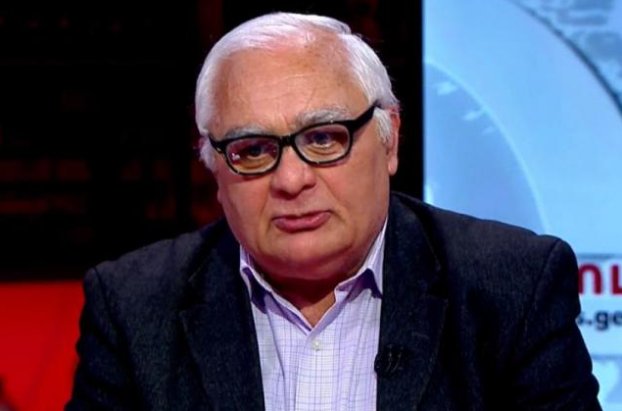
Georgian analyst Davit Zardiashvili says the opposition’s current debate over elections is mostly noise, not strategy.
In an interview with Rezonansi published July 15, Zardiashvili argued that Georgia’s opposition has neither a real chance of winning through elections nor enough public support to organize a revolution. In his view, its main aim is to keep pressure on the government through constant tension and instability.
Asked about criticism inside the opposition alliance, including recent remarks by Nika Gvaramia and the absence of the United National Movement from some meetings, Zardiashvili said nothing new was happening. He argued that competition inside the opposition became clear when the United National Movement split.
According to him, opposition groups are competing for influence over the same pool of voters before elections. He said they lack political capital and material resources, and described their alliances as clientelist groups gathered around patrons in the hope of future benefit.
Zardiashvili was also asked about former president Salome Zourabichvili, who has criticized the opposition and appears to be seeking a more leading role. He rejected the idea that she, or any other opposition figure, is a real leader.
He said the opposition has an internal audience where its narratives work, but estimated its total support at around 15-20 percent. He also dismissed claims from abroad that Zourabichvili is still president, calling that “absurd”.
In Zardiashvili’s view, the opposition cannot come to power, but can still keep a certain level of tension in Georgian politics. He said its goal is either to pressure the government into concessions or to create disorder and permanent destabilization.
Asked about disputes over whether the opposition should take part in elections, Zardiashvili said the discussion was staged for publicity. He argued that the opposition has no real chance of success at the ballot box and no capacity to organize a revolution, because its public support is too small.
He was also skeptical about new parties, including the party being formed by Viktor Kipiani. Zardiashvili said he saw no major difference between Kipiani’s project and the older opposition forces, arguing that new actors are also trying to find their niche and attach themselves to a patron.