TBILISI, May 19 – A German city’s move to freeze official contacts with Tbilisi has triggered a furious response from the Georgian capital’s mayor, turning a 51-year-old city partnership into another front in Georgia’s row with Europe.
Saarbrücken, capital of the German state of Saarland, has been partnered with Tbilisi since 1975. The city’s own website says the partnership began on March 22, 1975, and grew out of cultural contacts before later expanding into youth exchanges, municipal cooperation and support after Georgia’s independence.
According to Interpressnews, citing Saarbrücker Zeitung, Saarbrücken Mayor Uwe Conradt’s office proposed a resolution recommending that all contacts with Tbilisi be suspended until further notice. The proposal was to be discussed by the Saarbrücken city council and was linked to political developments in Georgia.
Saarbrücken Mayor Uwe Conradt’s public Facebook post also indicate that the city had already put official contacts with Tbilisi on hold because of political conditions in Georgia.
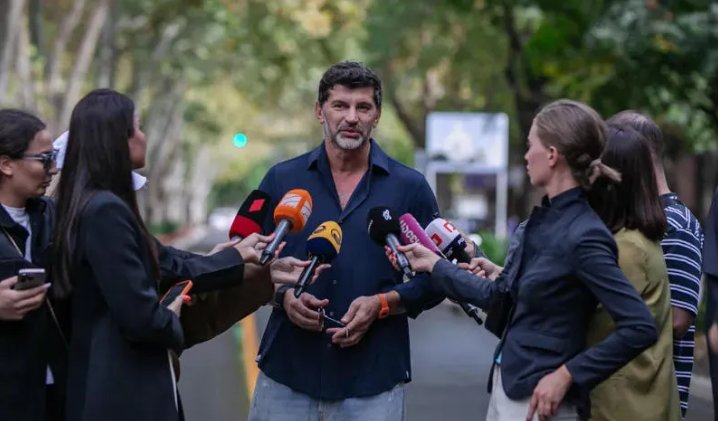
Tbilisi Mayor Kakha Kaladze, who is also secretary general of the ruling Georgian Dream party, responded with what he called a “letter of condolence to the German people.”
Kaladze accused German bureaucracy of turning a historic friendship into a subject of political speculation. He said decades of cultural and partnership ties were being damaged by “one-sided political conjuncture.”
He also used the statement to attack Germany’s political leadership more broadly, saying the country was facing economic crisis, rising crime, demographic problems, migration-related crisis, social tension and a “value crisis.”
Kaladze argued that instead of judging Georgia, German officials should pay attention to violence at a recent pro-Palestinian protest in Copenhagen, where activists blocked the headquarters of shipping giant Maersk.
The comments align with other Georgian Dream officials who criticize European countries of double standards when they say Georgia’s ruling party has moved away from democratic standards and the country’s European path.