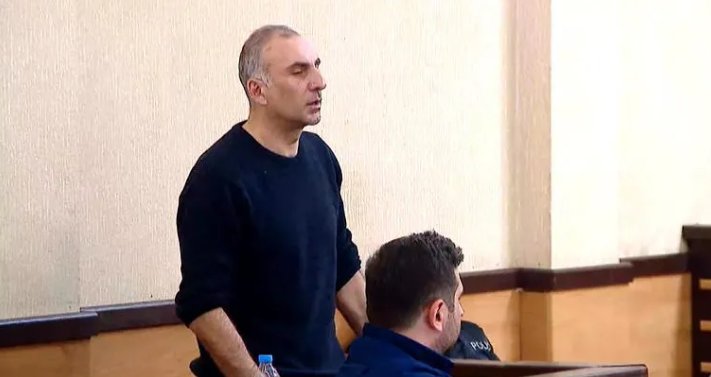
TBILISI, April 22 – A Tbilisi court on Wednesday left opposition politician Aleko Elisashvili in pretrial detention, rejecting defense efforts to secure his release in one of Georgia’s most closely watched criminal cases.
Elisashvili, an opposition figure charged over the alleged attempted commission of a terrorist act at Tbilisi City Court, will remain in custody after the judge sided with prosecutors. The prosecution asked the court to keep the existing detention measure in place. The defense asked for detention to be lifted entirely, or, failing that, replaced with bail. The judge granted the prosecution’s request and kept Elisashvili in prison.
The ruling means there is no change in the status of a case that has already drawn heavy political attention. Elisashvili was arrested after the November 29, 2025 incident at Tbilisi City Court and has remained in custody since then. As your earlier report noted, prosecutors say he tried to set fire to the court building, while the defense has argued from the start that the act should not be classified as terrorism.
At Wednesday’s hearing, defense lawyer Archil Chofikashvili sharply challenged the prosecution’s version. He said the crime Elisashvili is accused of “did not happen” and described his client as a politician who is the victim of political persecution and personal revenge. He also argued that the actual result of the incident was broken glass and said prosecutors were trying to present that as a terrorist attack and Elisashvili as a dangerous criminal.
Chofikashvili also said it was illogical to present as a terrorist a man who had previously held public responsibilities and whom he described in court as a “well-known historian, journalist, founder of ‘Tbilisi Hamkari,’ opposition politician, former chairman of the pardon commission, former member of parliament, fighter on Ukraine’s side in the Russia-Ukraine war, father and one good Georgian man.”
The lawyer further claimed Elisashvili was being kept in the highest-risk penitentiary facility without real necessity and argued that witnesses in the case are police patrol and court security employees, making claims about witness pressure unconvincing. He also accused the speaker of parliament of helping frame Elisashvili publicly as an extreme terrorist figure before the terrorism charge was brought.