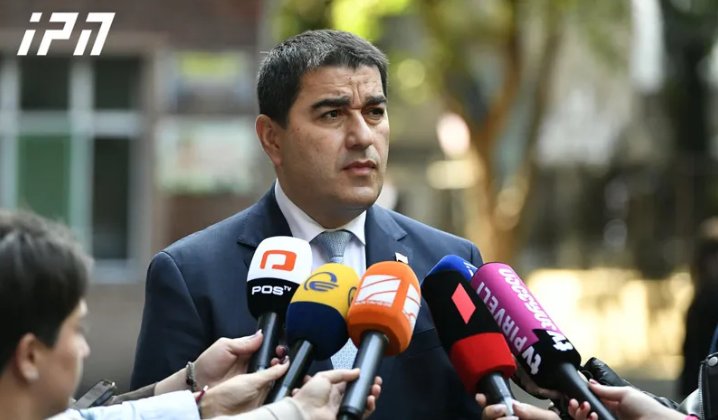
TBILISI, December 12 – Georgia’s parliament speaker blasted non-governmental organizations on Friday, describing the NGO system as a harmful export from the West to Eastern Europe’s fledgling democracies.
Speaking on Friday, Shalva Papuashvili said the NGO model imposed on developing countries represents what he called “the greatest evil” created by the West in post-Soviet democracies. He said such organizations had been used to replace society with small lobbying groups that, in his view, promote external interests.
Papuashvili said he agreed with recent remarks by SpaceX founder Elon Musk, who argued that NGO bureaucracy controls Europe and deprives citizens of democracy. According to Papuashvili, Musk’s comments echoed longstanding claims made by Georgia’s ruling party about the political influence of NGOs, claims that have been described by the opposition variously as dark PR and Russian propaganda.
He said attempts to replace popular will with NGO-driven activism had now been exposed by the United States itself. Papuashvili pointed to the suspension of funding by the US Agency for International Development (USAID) as evidence that American authorities had uncovered what he described as operations designed to advance foreign interests at the expense of local societies. He said this showed that the NGO system had been misused as a political tool rather than serving the public.
Papuashvili argued that small interest groups and elite circles had gained outsized influence in Europe through NGOs, a trend he said undermines democratic governance. He added that it was significant such criticism was now being voiced from the United States, rather than only from governments like Georgia’s that have long questioned the sector’s role.
The comments come amid ongoing tensions between Georgia’s ruling Georgian Dream (GD) party and a handful of Tbilisi-based groups, while Western partners have leveled strong criticism against GD over a number of democratic shortfalls. NGOs in Georgia have played a prominent role in monitoring elections, public protests and government policy, but their reliance on foreign donors made them vulnerable last year when the ruling party brought new legislation – by the opposition dubbed the ‘Russian law’ – ostensibly to create greater transparency in money flows. GD officials justified the legislation by arguing that funding for NGOs is redirected to opposition parties, and therefore constitutes foreign meddling in party politics.
Government officials have also increasingly portrayed these groups as politically motivated actors themselves rather than neutral watchdogs. Critics of the government, including opposition parties and civil society organizations, reject that characterization and say NGOs are essential for accountability and democratic development.