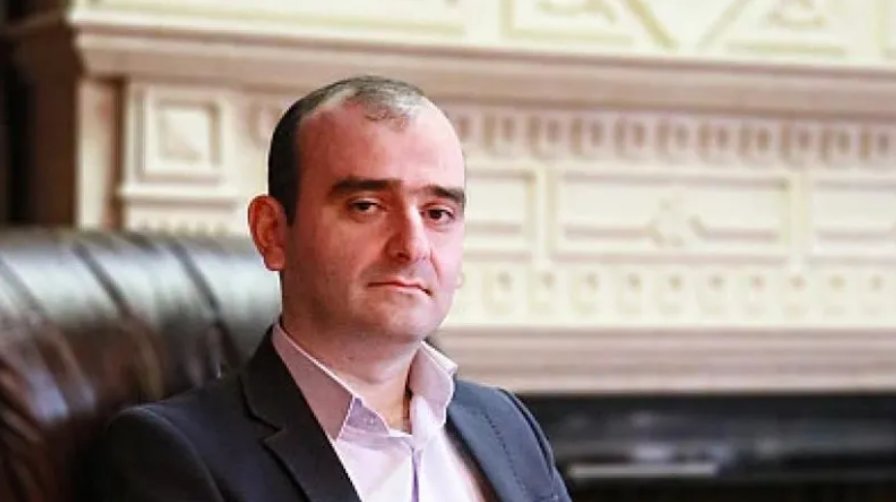
Giorgi Antadze, defense and security researcher at the Tbilisi think tank GeoCase, says Georgia’s October 4 local elections cannot be treated as routine.
In an interview with Interpressnews, he described the elections as intimately linked to the political upheaval that has gripped the country for two years.
“Impossible to call this just another municipal election,” he explained. “When democracy is trampled underfoot, these elections become part of the wider political struggle.”
Antadze argues that voting will not just decide mayors and councils, but whether opposition voters end up legitimizing what he calls “an authoritarian path.” The opposition, fractured and weakened by arrests of leaders, insists October 4 is decisive. Antadze is skeptical: “Different forces are pulling in different directions. Quick change in one day is unlikely unless some X factor appears.”
The analyst says the government’s break with Europe and the U.S. makes foreign policy inseparable from domestic protest. Georgia’s constitution obliges leaders to pursue EU and NATO integration, but Antadze says the ruling party has abandoned that course. “If October 4 decides the fate of protest, then it decides the fate of the country’s foreign policy too,” he said.
He also criticized ruling party founder Bidzina Ivanishvili’s meeting with the president of the United Arab Emirates, saying it raised “many unanswered and awkward questions” given his absence from dialogue with U.S. officials.
Antadze believes Georgia faces “elite corruption” at the top. He points to the arrest of a former defense minister on graft charges as proof of “systemic problems.” He also says Ivanishvili is preparing to sacrifice close allies to preserve his own grip on power: “He tries the usual combination—once political resources are exhausted, he gets rid of his inner circle.”
Still, he warns the party could either consolidate power with “cleaner” faces or face collapse. What seems impossible, he adds, is EU membership under the current course: “Visa-free travel loss is a real threat.”
On the opposition side, Antadze sees little chance of breakthrough for parties like Lelo or Giorgi Gakharia’s For Georgia. “Their chances are minimal. Most hope lies in Tbilisi, but even there it’s difficult,” he said. Much of the real protest, he notes, comes from civic groups rather than parties.
As for boycott parties planning mass protests on election day, Antadze is blunt: peaceful overthrows require “very significant public energy and leadership,” which he does not see now. If unrest escalates, he warns, the government “will use its full force.”
Finally, Antadze agrees with fellow analyst Irakli Melashvili that Georgian Dream has turned “anti-Western phobias and myths into mainstream political messaging.” In his view, this is not accidental: “When a ruling force is intellectually and ideologically exhausted, it starts seeking victory through fears and phobias.”
If the government weathers this crisis, Antadze predicts even bolder anti-Western steps ahead. “In that scenario, yes, Georgian Dream could make anti-Western myths the cornerstone of state policy,” he said.