TBILISI, September 3 – Georgia has begun adding more early warning systems in mountainous areas at risk from landslides.
The move comes as a deadly disaster in Nepal, which killed hundreds of people, has renewed attention on risks facing mountain communities. Nino Chkhobadze, chair of the environmental group Georgian Greens – Friends of the Earth, told Rezonansi on Thursday that similar events are possible in Georgia’s mountain ecosystems.
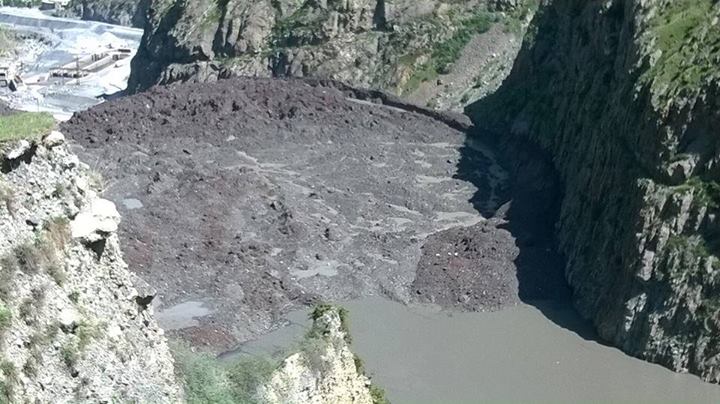
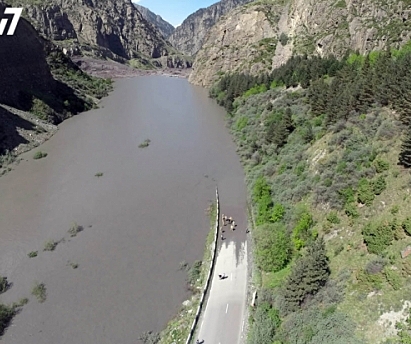
Georgia already has early warning systems in some mountain areas. The new work expands that network to additional high-risk locations in the Greater and Lesser Caucasus. She said Swiss and Georgian specialists are now working on installing the additional warning systems, particularly near populated areas, similar to a system already operating at the Devdoraki glacier, where a release of ice triggered a catastrophic mudslide in the Dariali Gorge in 2014.
That disaster is not unique in Georgia, where extreme weather events like landslides have occurred repeatedly over the last decade, taking lives also in the capital Tbilisi. Chkhobadze pointed to the most recent major disaster, in August 2023 at the mountain resort of Shovi, saying the event developed very rapidly and could have caused even greater loss of life if more people had been in its path.
She said climate change and increasingly intense rainfall are among factors behind many such events and stressed that warning equipment alone would not remove the danger.
Chkhobadze called for continuous monitoring of vulnerable areas, regular scientific assessment and specialists on the ground to watch for signs of danger. She also said residents need to be repeatedly informed about risks and taught how to respond when an emergency develops.
The Nepal disaster showed that even where monitoring systems exist, events can unfold too quickly for warnings to work effectively, she said.
Chkhobadze described the installation of more warning systems as an important step for Georgia but cautioned that mountainous areas can never be completely protected from rapidly developing natural hazards.