TBILISI, May 2 – A Georgian parliamentary commission set up to study high prices has concluded that the main problem is not excessive profits, but a long and inefficient supply chain.
Georgia’s cost of living debate began with a Christmas Eve video message by Prime Minister Irakli Kobakhidze, and eventually led to a parliamentary commission which studied the pricing of food, medicines and fuel for three months and held 11 meetings. It presented its findings on May 1.
Commission chairman Shota Berekashvili said the problem is “in the structural arrangement of the market.” He said extra costs build up through the pricing chain and eventually land on consumers.
“The main problem is not excessive profits, but inefficient operating costs,” Berekashvili said.
The commission recommends a softer approach rather than aggressive state price controls, warning that direct price administration could create more problems than benefits.
Among its proposals are centralized distribution centers in Georgia’s regions, stronger support for small and medium producers, more transparent commercial relations, standard payment rules, and a possible new institutional mechanism to monitor the fast-moving consumer goods sector.
The commission also recommends preparing legislation based on the EU’s unfair trading practices directive. Berekashvili said the aim would be to create a fairer and more transparent framework for relations between companies in the sector.
For medicines, the commission recommends expanding Georgia’s reference pricing system to cover at least 60% of actively sold medicines. It says this could reduce prices by an average of 40% for drugs not currently covered by reference prices. The commission also recommends expanding the chronic disease management program, which currently covers about 400,000 beneficiaries.
On baby food, it recommends centralized purchasing to increase buying power and negotiate better prices from suppliers.
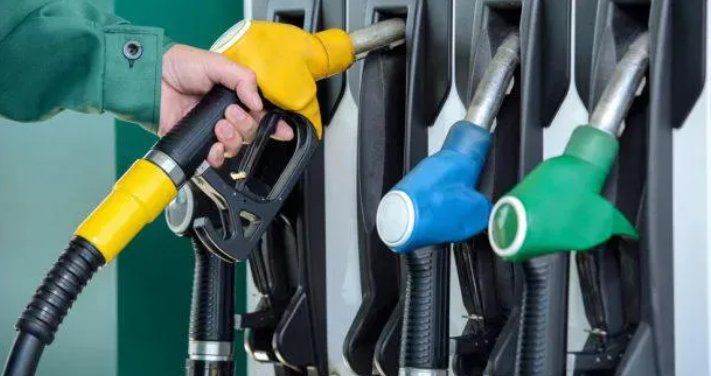
For fuel, the commission says Georgia’s main structural problem is limited diversification of supply. It says a large share of fuel imports in 2025 came from Russia, Bulgaria, Romania and Azerbaijan, leaving the market vulnerable to geopolitical, sanctions-related or logistical shocks.
The report quickly became political. Opposition MPs said the commission had failed to deliver the price cuts people expected. Giorgi Sharashidze of Gakharia for Georgia called it “a good master’s thesis,” but not a political document.
People’s Power MPs also criticized the report, saying it lacked concrete deadlines and enforcement mechanisms.
But Georgian Dream MP Irakli Cheishvili defended it, saying the recommendations would be sent to the government and would affect prices and living standards.
Retailers have already moved to show cooperation. The Retail Association said member companies had begun identifying products for a “family basket” with special prices. Goodwill and Daily Group announced similar initiatives, saying selected basic products would be offered at more affordable or stable prices.