TBILISI, November 24 – Georgia’s Interior Ministry is pushing ahead with a sweeping plan to tighten civilian access to pepper spray, electric shock devices and blank-firing “acoustic” guns. Critics warn it will restrict options for protesters.
The proposal, first unveiled on 17 November and now moving through parliamentary committee hearings, would require state permits for importing pepper spray and blank-firing guns, introduce age limits for buyers, and completely ban civilian use of electric shock devices. Only government bodies and licensed private security companies would be allowed to use electroshock weapons under the bill.
Deputy Interior Minister Aleksandre Darakhvelidze defended the changes during a committee session on 20 November, arriving with an electroshock device and a can of pepper spray to demonstrate how they are used. He told MPs that children can currently purchase these devices without restriction and said police have received multiple reports from schools about students carrying them.
Under the draft law, buyers of pepper spray would need to be over 18 and present written authorization from a local Interior Ministry office. If a 16–17-year-old is found carrying pepper spray, officials say the minor would face administrative penalties. If the device is found with a child under 16, police would track down the seller and impose sanctions on the shop or individual who supplied it.
Acoustic blank-firing guns, widely used in films, theater and historical reenactments, would also require an import permit and written clearance from regional police before purchase. Police would gain the authority to restrict the number of such guns a person can buy and how frequently they can purchase them. Existing rules that require police permission to transport or ship these devices remain in place.
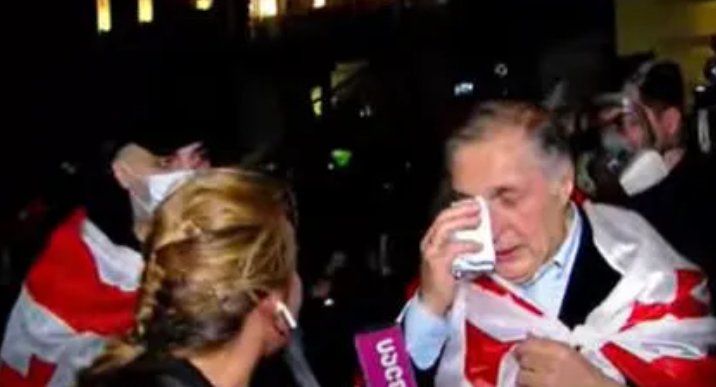
The legislative push comes as the government faces near-daily street protests in Tbilisi, where demonstrators have shifted to fast-moving marches through central neighborhoods after police blocked efforts to occupy Rustaveli Avenue. Critics argue the new restrictions are aimed at weakening protest movements.
Former leader of Georgian Young Lawyers’ Association Nika Simonishvili accused authorities of trying to restrict citizens’ access to self-protection tools rather than addressing police misconduct. He argued that none of the devices have been linked to violent attacks and framed the proposal as part of a broader pattern of limiting protest options after the switch to mobile marches.
Darakhvelidze, for his part, emphasized child safety and uncontrolled availability, noting that pepper spray is currently sold to “any age” without oversight. He said the ministry may also consider parental liability in future amendments.