TBILISI, October 9 – Georgia’s security service on Thursday released new findings, with details about another “safe house” in the case involving two Ukrainian nationals accused of smuggling explosives into the country.
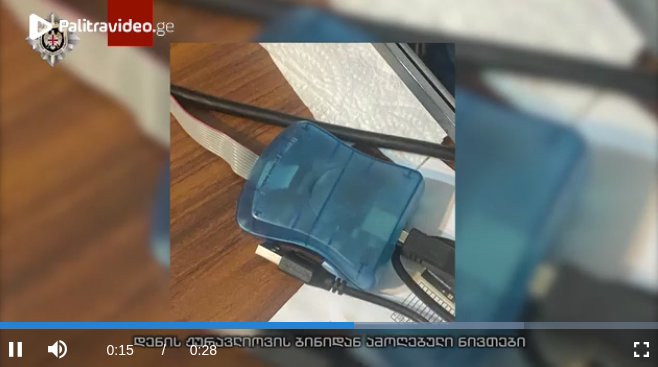
The State Security Service (SUS) said Wednesday it had located a second apartment in Tbilisi’s Gldani district, allegedly rented by one of the suspects, Denis Zhuravlyov. Inside, investigators found integrated circuits, documents, and cash, which are now being examined for links to the ongoing explosives probe.
The so-called “Hexogen” case began on September 10, when Georgian authorities detained two Ukrainian citizens at the Sarpi border crossing with Turkey. Officials say the pair were driving a vehicle that contained 2.4 kilograms of Hexogen, a powerful military-grade explosive, along with eight mobile phones, SIM cards, a computer, cash, and cocaine.
Since the arrests, the Ukrainian Embassy in Tbilisi has said it was not immediately informed about the charges and has sought permission to meet the detainees. The State Security Service maintains it followed procedure, formally notifying Ukraine’s diplomatic representative in Tbilisi, Andrii Bilyk, who confirmed receipt of the note.
The discovery has fueled heated rhetoric in Tbilisi. Parliament Speaker Shalva Papuashvili alleged that Ukrainian intelligence services could have been behind the smuggling attempt, calling it part of a pattern of “provocations” before elections. He claimed that “the explosives passed through half of Europe unnoticed” and suggested that “Ukraine’s secret services were ready for Tbilisi to be blown up.”
Other Georgian officials have gone further. Tbilisi Mayor Kakha Kaladze, who also serves as secretary-general of the ruling Georgian Dream party, praised the Security Service for preventing what he called a “very serious crime.” Meanwhile, MP Dimitri Khundadze from the pro-government People’s Power movement claimed the Hexogen case may be linked to broader efforts “to provoke unrest and force a violent change of power.”
The Security Service has also said it is examining potential links between the case and former Defense Minister Bacho Akhalaia, who has long been accused by ruling party figures of ties to Ukraine’s military and security institutions.