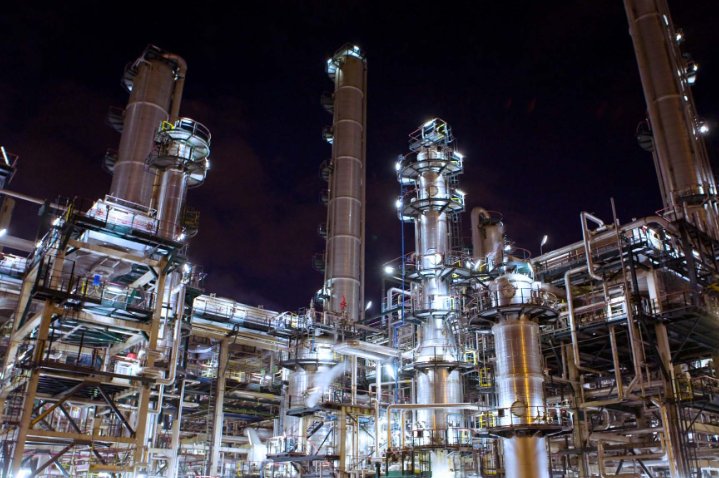
TBILISI, March 11 – Georgia’s Kulevi oil terminal is back in the spotlight after Foreign Minister Maka Botchorishvili said there was no evidence to justify putting the facility into the European Union’s latest sanctions package against Russia.
Speaking on Tuesday, Botchorishvili said the Georgian side had once again shown the European Commission what steps the country takes in connection with sanctions enforcement. She also said there were no additional obligations placed on Georgia in connection with the issue. Hours earlier, it was disclosed that a letter from David O’Sullivan, the EU’s sanctions envoy, said the Kulevi oil terminal in Georgia was not included in the bloc’s 20th sanctions package against Russia.
The case had been building for weeks. On February 9, Sky News reported that the EU was considering sanctions on third-country ports as part of the 20th package, and that the list under discussion included Kulevi in Georgia and Karimun in Indonesia. Two days later, EU foreign policy chief Kaja Kallas declined to comment on specific proposals, saying work on the package was still ongoing and that “until everything is agreed, nothing is agreed.”
Then, on February 24, Germany’s ambassador to Georgia, Peter Fischer, said there had in fact been a legislative proposal to sanction Kulevi and that it was backed by an evidence package. According to Fischer, the wider 20th sanctions package was not adopted at that point because of vetoes from Hungary and Slovakia. A day later, Georgian Parliament Speaker Shalva Papuashvili hit back, calling Fischer a propagandist and demanding that evidence be made public.
The Kulevi controversy grew out of earlier reports about Russian-origin oil reaching Georgia. In October 2025, Reuters, citing ship-tracking data and industry sources, reported that Russia had sent its first shipment of oil to a refinery project in Georgia via Kulevi. Georgian maritime and customs authorities responded that the vessel involved, KAYSERI, was not under international sanctions, and said checks showed that neither the ship, its owner nor the companies tied to the cargo were subject to sanctions. The agencies also insisted Georgia’s ports were not being used to evade restrictions.
The political fight over the terminal is not over. On Tuesday evening, opposition politician Roman Gotsiridze argued that Kulevi had escaped sanctions because, in the current geopolitical situation, no one would sanction Azerbaijan, which he suggested effectively protected the terminal.
Azerbaijan’s state oil company SOCAR has operated the Kulevi terminal since 2008. After recent upgrades, it currently handles up to 10 million tons of oil products annually, highlighting Georgia’s role as a transport corridor linking the Caspian basin with global markets.