TBILISI, April 7 – Georgia’s central bank chief backs parliament’s price probe as a way to enhance competition and transparency, while the IMF warns against sliding into blunt price controls.
It started as a Christmas Eve video message by Prime Minister Irakli Kobakhidze, and developed into first a government commission and then a parliamentary one. Now, also the International Monetary Fund (IMF) has joined the debate.
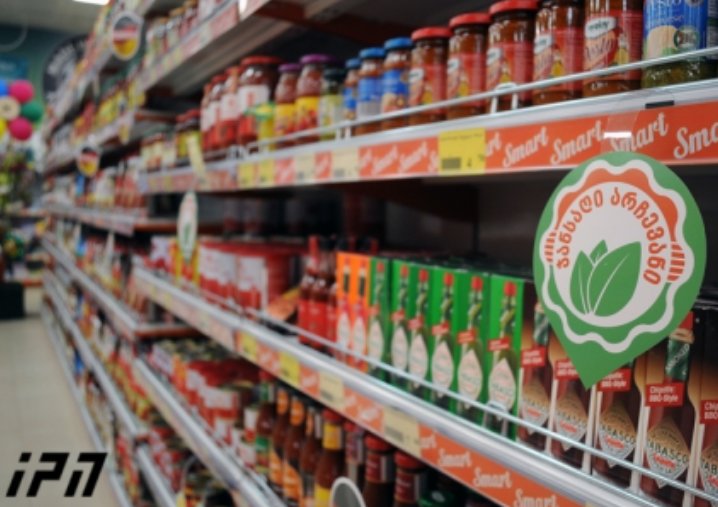
In the earlier stage of Georgia’s price probe, lawmakers hauled major supermarket chains into parliament to explain how shelf prices are built, focusing on rebates, retro bonuses and cashback arrangements. Retailers including Carrefour, Nikora and Ori Nabiji argued that margins on basic goods are often tiny and sometimes close to zero, while lawmakers said they were still not fully convinced by some of the explanations. The commission was expected to wrap up its work by the end of April.
On Tuesday, National Bank Governor Natia Turnava said the parliamentary commission’s work is meant to support competition, set clearer rules for price transparency and help detect possible market abuses or cartel-style deals. She drew a line between the central bank’s role, which is to manage inflation at the macro level through interest rates, and the government’s effort to examine how prices are formed in retail markets. She said the two tracks complement each other rather than clash.
Turnava also said the impact of the new geopolitical shock on prices will depend on how long the fighting and related disruption last. She said Georgia’s main response to inflation shocks is its monetary policy rate, now at 8%, and said the central bank is ready for all scenarios, including possible tightening if needed. She added that oil prices are the key indicator because Georgia is an oil-importing country.
The IMF’s mission chief in Georgia, Alejandro Hajdenberg, struck a careful note. He said analyzing price structures can be useful if it strengthens competition and consumer protection, but stressed that the focus should stay on preserving free-market trading relations and a level playing field. He said price controls have been tried many times in many countries and have always failed, while making clear he was not specifically accusing Georgia of doing that.
Hajdenberg said Georgia’s economic results remain solid, but the outlook is becoming more challenging as global uncertainty rises, especially because of the war in the Middle East. He said inflation has moved above target due to rising food and energy prices, while core inflation remains contained. According to the IMF’s assessment cited Tuesday, consumer inflation rose from 4% at the end of 2025 to 4.3% in March, partly reflecting higher imported food and oil prices linked to the Middle East war.
With a debate that began as a domestic probe into how supermarket chains set their prices has now turned to how much of the pain comes from local market structure, how much comes from global shocks, and how far the state should go in trying to respond. Tbilisi Mayor Kakha Kaladze said on Monday that higher fuel prices were being driven by events in the Middle East and were not a Georgia-only problem, but part of a wider global challenge.