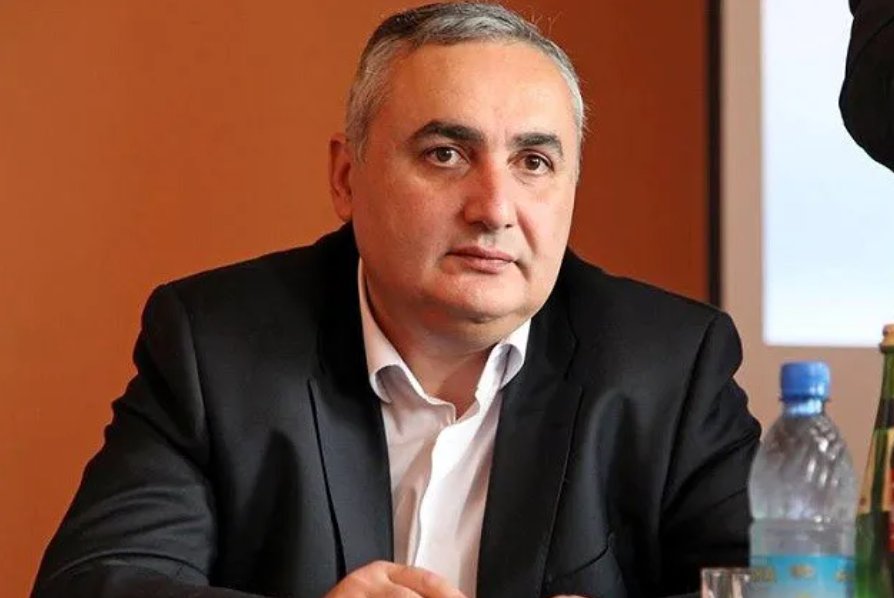
TBILISI, September 22 – Political analyst Irakli Melashvili says Georgia’s political scene has reached a dangerous stalemate, where dialogue between government and opposition is no longer possible.
In a wide-ranging interview with Interpressnews, he painted a grim picture of a society radicalized by years of divisive rhetoric.
“The main feature of political life in Georgia today is the absence of dialogue and the impossibility of dialogue,” Melashvili said. “Politicians have trained their supporters to see anyone with different views not as citizens with rights, but as enemies, traitors, agents. Dialogue with them is shameful and unacceptable.”
According to Melashvili, this strategy has left leaders trapped by their own rhetoric. “Even if they wanted to return the process to a normal track, they no longer can,” he said. “Society has been dragged into an artificially created whirlpool of confrontation.”
Melashvili accused the ruling Georgian Dream party of driving this dynamic. “Once again, as twenty years ago, the government is at the vanguard of a process that divides and destroys society,” he said. He argued that Prime Minister Irakli Kobakhidze’s “repressive style and extremely confrontational language” leave no room for normal politics.
Melashvili linked this attitude to the government’s foreign policy shift. He noted increasingly hostile rhetoric toward the West and growing comfort with authoritarian partners in Iran, Central Asia and the Gulf. “For today’s Georgian Dream leaders, European integration is unacceptable, because it requires free elections and a free media, which they see as a threat to their power,” he said.
Yet he was equally critical of the opposition. He argued that by failing to unite ahead of local elections, opposition parties “practically handed victory to Georgian Dream on a silver platter.”
Melashvili warned that parties like Lelo and Giorgi Gakharia’s For Georgia are “under double attack” — targeted by both the ruling party and the United National Movement, Georgia’s main opposition force. “Instead of fighting the government, their mission is the political destruction of those who participate in the elections,” he said.
He believes this short-sighted strategy only alienates voters further: “The only thing parties achieve is more public disillusionment, which plays directly into the hands of the government.”
Asked about the opposition’s planned October 4 rally, Melashvili was blunt: “I don’t know who, how, or with what mechanisms plans to achieve a change of power. And I think much of society doesn’t know either.” He warned that “resistance based only on emotion and persistence does not lead to a change of government. A much more flexible tactic is needed.”
For Melashvili, the priority after these elections must be to rethink how Georgia’s pro-Western public can resist the ruling party’s anti-Western propaganda. “Superficial and dismissive attitudes toward propaganda cost the opposition dearly in the parliamentary elections,” he said. “The same threat now hangs over the protest movement.”