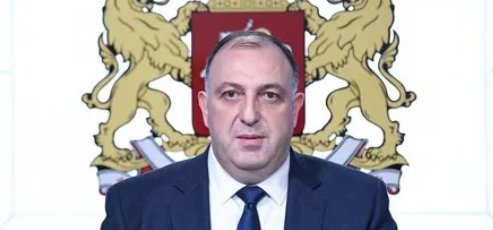
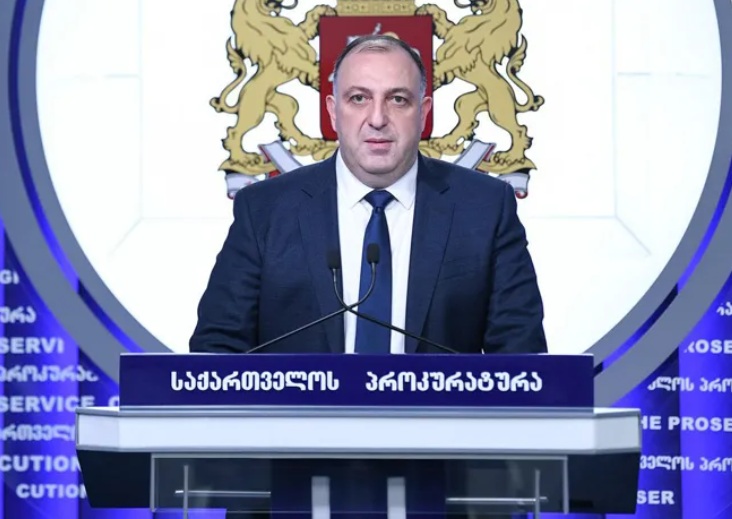
The political crisis in Georgia has deepened dramatically Thursday as the Prosecutor General announced sweeping allegations against several opposition leaders, accusing them of collaborating with foreign countries to harm the state.
The prosecution claims the opposition intentionally supplied external powers with sensitive information, including details on petroleum product imports and the “existing or invented” situation in the military sphere, to create an artificial basis for imposing international sanctions on Georgia.
The charges for aiding foreign sanctions and creating artificial bases for sanctions against Georgia target a number of prominent opposition figures. They have been arrested or sentenced in recent months, largely for refusing to cooperate with a controversial parliamentary investigative commission which the opposition deems illegitimate. The list includes former President Mikheil Saakashvili, Mamuka Khazaradze and Badri Japaridze (leaders of the Lelo party), Zurab Japaridze (leader of Girchi—More Freedom), Giorgi Vashadze (leader of Strategy Aghmashenebeli), Elene Khoshtaria (leader of Droa movement), and Nika Melia and Nika Gvaramia (leaders of Akhali party).
This legal escalation arrives amid months of civil unrest following a disputed parliamentary election and the ruling party’s controversial decision to effectively suspend its bid for European Union membership.
Tbilisi Mayor Kakha Kaladze, the Secretary General of the ruling Georgian Dream party, defended the actions, denying they were acts of political retaliation. Kaladze stated that a parliamentary commission had identified specific political forces “not interested in the country,” arguing that politicians must “serve people” and that the investigations are justified.
Adding to the official narrative, officials alleged that violent groups involved in protests acted in a coordinated and systematic manner, citing the seizure of radio transceivers from opposition party offices as evidence of planned disruption.
The sweeping accusations and legal moves have drawn sharp condemnation from the European Union, who view the steps as a severe regression in Georgia’s democratic development. Western media has widely reported that the ruling party is using legal means, including a separate constitutional lawsuit to ban three major opposition parties (United National Movement, Akhali, and Lelo), in a politically motivated campaign to silence dissent.
The European Parliament has passed resolutions calling for the immediate release of detained politicians and urging the EU to impose targeted sanctions on key Georgian Dream officials, including founder Bidzina Ivanishvili, for the “brutal repression” of peaceful demonstrators and “undermining democracy.” These actions, critics warn, place Georgia’s path toward Euro-Atlantic integration at severe risk.