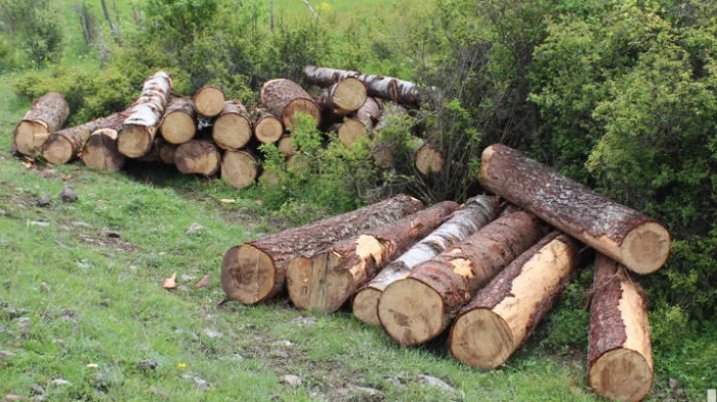
TBILISI, November 25 – Georgia is preparing to extend its transitional rules on “social logging,” a long-standing system that lets rural households cut firewood for personal use. A bill submitted to parliament proposes keeping the scheme in place for one more year, until January 1, 2027, according to information published Tuesday, November 25.
Under the proposal, individuals and legal entities who rely on firewood for heating would be allowed to continue sourcing wood either by cutting it themselves with an official logging ticket or by purchasing it from the country’s forest management bodies. Parliament is expected to review the amendment in an accelerated procedure.
The move marks another step in Georgia’s slow shift away from social logging, a practice the government originally planned to phase out as early as 2023. Official documents and earlier statements by the National Forestry Agency show that Georgia has been working for several years to replace self-harvesting with an organized, regulated distribution system based on centrally managed timber yards known as sakmiani ezo (“service yards”).
These timber yards, introduced under the country’s new Forest Code adopted in 2020, are intended to replace unregulated household woodcutting. By 2021, the government had already opened dozens of such facilities, arguing that centralized harvesting, sorting and storage would reduce illegal logging, ease pressure on forest ecosystems, and make it simpler for residents to buy firewood throughout the year.
The reform is part of a broader restructuring of Georgia’s forestry sector. The Forest Code calls for the gradual elimination of long-term commercial logging licenses and the end of social cutting, replacing them with sustainable forest management plans, professionalized forestry staff, and new rules for non-timber forest products. Officials have repeatedly stressed that the new model aims to modernize the sector, protect biodiversity, and expand forest-related economic opportunities, especially in mountain regions.
To support this shift, the National Forestry Agency has also received equipment and technical assistance from development partners, such as Germany’s GIZ, including vehicles, chainsaws, GPS units and protective gear for forestry crews. Officials say this allows for more efficient timber harvesting, road maintenance, and wildfire-prevention work in several regions.
Despite these long-term plans, the government now argues that extending the transition period is necessary to keep rural communities supplied with firewood through winter. Until January 2027, forest authorities would still be empowered to both harvest and sell firewood and to permit local residents to gather their own.