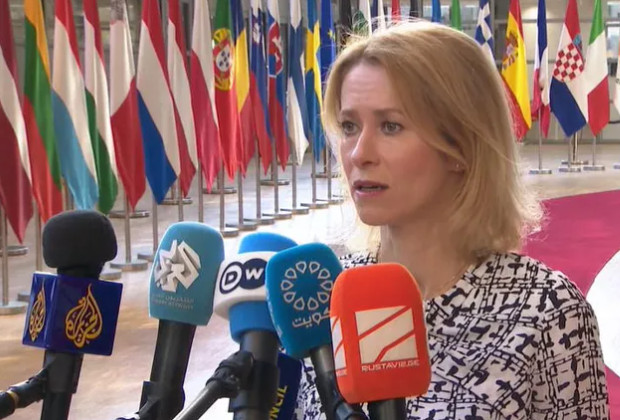
TBILISI, DFWatch–The European Union has issued its starkest warning yet to Tbilisi: fulfill key democratic conditions or face suspension of visa-free travel. The ultimatum, delivered by EU foreign policy chief Kaja Kallas, puts unprecedented pressure on Georgia’s ruling party just months ahead of local elections.
“All options are on the table, including suspension of the visa-free regime,” Kallas told reporters in Brussels. A formal letter has already been drafted, warning that if conditions are not met within the given time frame, the EU will act.
The move would affect ordinary Georgian citizens who have enjoyed the ability to travel to the EU without a visa since 2017. Analysts say such a step could stoke social unrest in a volatile political atmosphere. It could also cause irreparable damage to EU–Georgia relations.
EU officials have expressed concerns numerous times over Georgia’s perceived democratic backsliding, but until now held back from full suspenion of visa-free entry rights for the country’s citizens. The warning comes amid fears over alleged political interference in elections, crushing of dissent and judicial appointments seen as politically motivated.
Paata Zakareishvili, a former minister and conflict analyst, says the EU may not act until after Georgia’s local elections, but warned the threat is real.
Analyst Gia Abashidze went further, accusing Brussels of attempting to provoke internal unrest. “If visa-free travel is suspended, it will punish ordinary Georgians, not the politicians,” he said. “Do EU bureaucrats want civil strife in Georgia because voters chose the ‘wrong’ government?”
The procedure for suspending the visa-waiver regime for a specific partner country is complex. As explained by Kakha Gogolashvili of the Georgian Centre for European Studies, the process requires support from at least 15 EU member states. Once initiated, the EU Commission would draft a proposal, which the Council could approve with a qualified majority. A suspension would initially last nine months and could be extended.
“If the country addresses the EU’s concerns during that time, the regime can be restored,” Gogolashvili told newspaper Rezonansi. “Otherwise, the freeze could continue.”
So far, Georgia’s ruling party, Georgian Dream, has responded cautiously. Prime Minister Irakli Kobakhidze has avoided direct confrontation, insisting his party holds no ill will toward the EU.
But critics accuse the government of trying to ride out the crisis until after the elections. Zakareishvili suggested that the ruling GD party may be seeking a behind-the-scenes deal to delay action.
Opposition parties and pressure groups accuse the government of having provoked the crisis by its repressive tactics and confrontational statements.