TBILISI, October 15 – Azerbaijan and Kazakhstan are in talks to increase the annual volume of Kazakh oil transported through the Baku-Tbilisi-Ceyhan (BTC) pipeline to 7 million tons by 2027, according to Azerbaijani Energy Minister Parviz Shahbazov, as reported by Reuters on Tuesday.
Shahbazov said that since 2023, around 3.4 million tons of Kazakh oil have been shipped via the BTC pipeline to global markets. The two countries are now discussing plans to double that volume on what he described as a “mutually beneficial basis.”
The BTC pipeline, operated by BP, remains a strategic export route for Caspian crude to reach international markets through the Mediterranean port of Ceyhan, Turkey. However, total oil exports through the line fell slightly in the first eight months of 2024, from 19.39 million tons to 18.36 million tons year-on-year. Shipments of Kazakh and Turkmen oil also declined, from 3.58 million tons to 2.89 million tons over the same period.
Kazakhstan plans to export 1.7 million tons of oil through the BTC pipeline by the end of this year, roughly matching last year’s level.
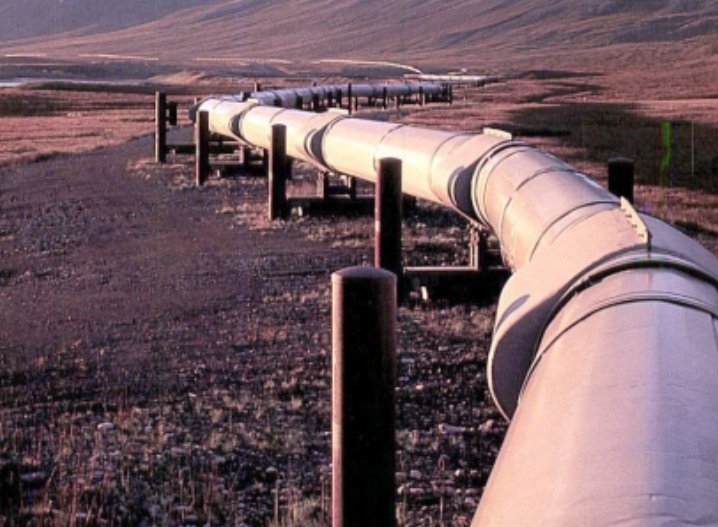
Since its launch, the BTC has delivered about 540 million tons of oil from Azerbaijan to world markets. The 1,768-kilometer pipeline carries crude primarily from Azerbaijan’s Azeri-Chirag-Gunashli (ACG) fields and condensate from the Shah Deniz gas field, while also serving as a transit route for oil from Kazakhstan and Turkmenistan.
The ACG production-sharing agreement, first signed in 1994, was extended in 2017 until 2050. The BTC pipeline has a design capacity of 1.2 million barrels per day, with potential expansion to 2.2 million barrels.
BTC Co, the pipeline’s operator, is jointly owned by BP (30.1%), SOCAR (32.96%), MOL (8.9%), TPAO (6.53%), Eni and TotalEnergies (5% each), Itochu (3.4%), ExxonMobil and Inpex (2.5% each), and ONGC Videsh (3.11%).